• best-top-urologist-upper-east-side-ues-nyc
  • top-urologist-nyc-vasectomy-implants-prostate-03

Putting Patients First


Welcome to Fifth Avenue Urology, the practice of Dr. Yaniv M. Larish, located on Manhattan’s Upper East Side in New York City. We provide advanced diagnosis and treatment for the full spectrum of male and female urological conditions using the latest medical, minimally invasive, robotic, and reconstructive surgical techniques.

Dr. Larish is a board-certified urologist and surgeon who served as Chief Resident of Urology at Lenox Hill Hospital. He is also an Assistant Professor of Obstetrics and Gynecology at Rutgers University and serves as Director of Minimally Invasive Urological Surgery and Urogynecology at Jersey City Medical Center, part of Robert Wood Johnson Barnabas Health. He is recognized for providing thorough, individualized, and compassionate care while treating patients with a wide range of urological disorders, from common conditions to some of the most complex reconstructive cases.

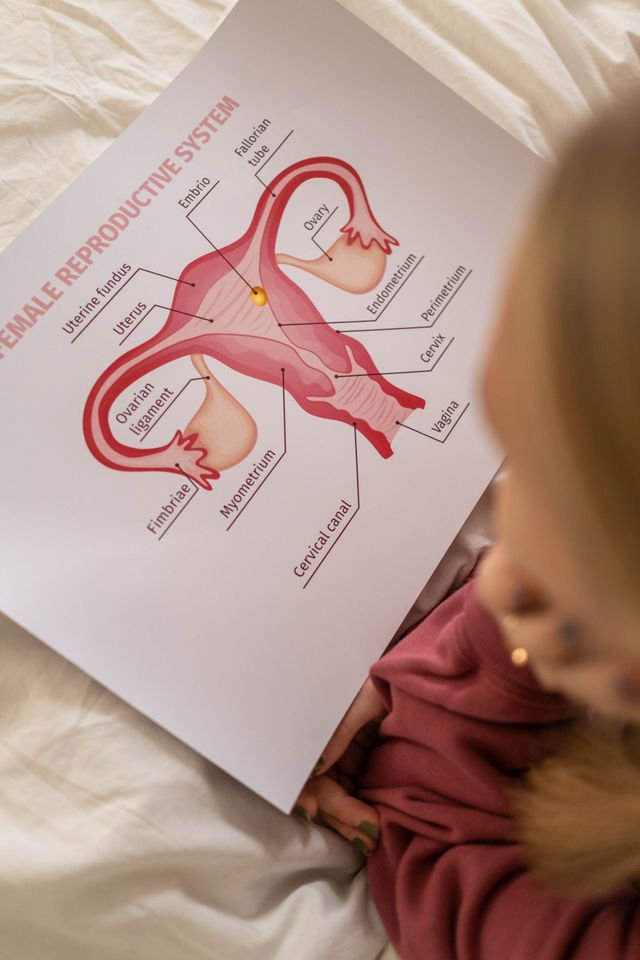
Young woman consulting with NYC urologist about endometriosis and female pelvic healthHis areas of expertise include kidney stones, enlarged prostate (BPH), urinary incontinence, erectile dysfunction, male infertility, urological cancers, robotic and reconstructive urologic surgery, and the multidisciplinary treatment of complex endometriosis involving the urinary tract, bladder, ureters, bowel, and pelvic organs. He is frequently consulted for second opinions and challenging cases requiring specialized surgical expertise.

At Fifth Avenue Urology, we believe that exceptional patient care begins with listening. Every treatment plan is personalized to each patient’s condition, goals, and quality of life, combining academic-level expertise with the individualized attention of a private practice.


Schedule an appointment today

212-675-3186

zocdoc book appointment fifth avenue urology nyc

Featured Urology Topics


Yaniv M. Larish, M.D.

dr-yaniv-larish-fifth-avenue-urology2Dr. Yaniv M. Larish is committed to providing compassionate, individualized care for every patient. Whether treating a common urological condition or managing a highly complex reconstructive case, he believes that every patient deserves the time, attention, and expertise necessary to develop the best treatment plan.

Known for his thoughtful approach and surgical expertise, Dr. Larish is frequently consulted for second opinions and challenging cases requiring advanced urologic and reconstructive care. Same-day appointments are available for urgent concerns whenever possible, and house calls may be arranged in select situations.


Endometriosis Excision vs. Ablation: Understanding the Difference and Why It Matters

Endometriosis Excision vs Ablation Understanding the Difference and Why It MattersEndometriosis excision vs. ablation is an important distinction for patients considering surgery for endometriosis, because the two techniques treat endometriosis lesions in fundamentally different ways. Both approaches can be used during minimally invasive surgery, but the depth and location of disease, the organs involved, a patient’s symptoms, fertility goals, and previous treatments can all influence which surgical approach is appropriate.

Understanding Endometriosis

Endometriosis occurs when tissue similar to the lining of the uterus grows outside the uterus. Lesions may occur on the pelvic lining, ovaries, fallopian tubes, bladder, ureters, bowel, and other structures. The condition can cause chronic pelvic pain, painful menstruation, pain during intercourse, urinary or bowel symptoms, and fertility problems. Some patients have superficial disease, while others develop deep endometriosis that extends beneath the surface of affected tissues.

This variation is one reason endometriosis surgery must be individualized. The location and depth of lesions can influence not only symptoms but also how safely and completely abnormal tissue can be treated.

What Is Endometriosis Ablation?

Ablation treats endometriosis by applying energy to destroy or vaporize visible lesions. Depending on the surgical technique, this may involve electrosurgery or another energy source. Rather than physically removing the entire lesion, the surgeon destroys the abnormal tissue at its visible surface.

Ablation can be useful in selected cases of superficial endometriosis. However, one limitation is that the visible surface of a lesion does not necessarily indicate how deeply the disease extends beneath the tissue. This becomes particularly important when endometriosis is deep or involves structures such as the bladder, ureter, bowel, or pelvic nerves.

What Is Endometriosis Excision?

Excision involves surgically cutting out an endometriosis lesion rather than destroying its visible surface. The surgeon carefully separates the lesion from surrounding healthy tissue and removes the affected tissue when it can be done safely.

Excision also allows removed tissue to be sent to pathology for microscopic examination. The technique can be particularly important when treating deep endometriosis because the surgeon can identify the boundaries of the disease and address tissue extending beneath the surface.

International guidance from the European Society of Human Reproduction and Embryology (ESHRE) states that when surgery is performed, clinicians may consider excision rather than ablation to reduce endometriosis-associated pain. The guideline also notes that excision is likely to be more suitable for deep endometriosis because it can be difficult to determine whether an entire deep lesion has been destroyed using an ablative technique.

Full guideline: https://www.eshre.eu/Guidelines-and-Legal/Guidelines/Endometriosis-guideline.aspx

Excision vs. Ablation: The Key Differences

Although both procedures are intended to treat endometriosis, there are several practical differences patients should understand:

  • Excision removes lesions: The surgeon cuts out affected tissue, including deeper portions when appropriate.
  • Ablation destroys lesions: Energy is applied to the visible disease rather than physically removing the lesion.
  • Excision provides tissue for pathology: Removed specimens can be examined microscopically.
  • Depth matters: Deep infiltrating disease may extend below what is visible during surgery, making treatment more complex.

Importantly, this does not mean that excision is automatically superior for every patient or every endometriosis lesion. Evidence comparing the two approaches is mixed for some forms of superficial or minimal-to-mild endometriosis. ESHRE’s review found evidence supporting excision for certain pain outcomes, while another analysis found no significant differences for several pain measures at 12 months. The appropriate surgical technique therefore depends heavily on the type, depth, and location of disease.

Why Deep Endometriosis Requires Special Consideration

Deep endometriosis can involve organs and structures well beyond the reproductive tract. Disease may affect the bladder or grow around the ureters—the tubes that transport urine from the kidneys to the bladder. In complex cases, endometriosis can also involve the bowel, pelvic sidewall, or structures close to important nerves and blood vessels.

Surgery in these areas requires detailed knowledge of pelvic anatomy and may involve specialists from more than one surgical discipline. ESHRE’s surgical recommendations specifically address deep endometriosis involving areas including the urinary tract and emphasize the specialized technical considerations involved in these procedures.

Endometriosis of the Bladder and Urinary Tract

Urinary tract endometriosis deserves particular attention because symptoms can sometimes resemble more common bladder disorders. Depending on the location of disease, women may experience pelvic pressure, urinary urgency, painful urination, recurrent bladder discomfort, or pain that changes with the menstrual cycle. Some patients may have few obvious urinary symptoms despite significant disease.

Ureteral involvement can be especially important because obstruction of a ureter may interfere with drainage from a kidney. For patients with suspected bladder or ureteral endometriosis, appropriate imaging and evaluation can help define the extent of disease before surgery and determine whether a urologic surgeon should participate in treatment.

Choosing the Appropriate Surgical Approach

Endometriosis Excision or Ablation-best urologist nycThere is no single surgical technique that is appropriate for every patient with endometriosis. The decision should take into account the location and depth of disease, severity of symptoms, previous surgeries, fertility goals, involvement of the urinary or gastrointestinal tract, and the potential risks associated with operating near critical structures.

Patients considering surgery should understand what their surgeon expects to find, whether excision or ablation is planned, how deep disease will be addressed, and what will happen if endometriosis involving the bladder, ureter, bowel, or other organs is discovered.

Endometriosis Excision vs. Ablation: Understanding the Difference and Why It Matters: Conclusion

Understanding the difference between endometriosis excision and ablation can help patients have more informed conversations about surgical treatment. Ablation destroys visible endometriosis tissue, while excision physically removes lesions and may be particularly important when disease extends deeply beneath the surface. Neither technique should be viewed in isolation—the appropriate approach depends on the individual patient’s anatomy, symptoms, disease location, and treatment goals.

For women with complex endometriosis involving the urinary tract, specialized urological expertise can become an important part of surgical planning. A comprehensive evaluation can help determine whether the bladder, ureters, or other urinary structures are involved and how they can be protected or reconstructed during treatment when necessary.

Advanced Endometriosis and Urinary Tract Care at Fifth Avenue Urology

Dr. Yaniv Larish at Fifth Avenue Urology has a special interest in complex endometriosis involving the urinary tract, including bladder and ureteral endometriosis. His expertise includes advanced robotic and reconstructive urologic surgery, urogynecology, female pelvic health, and complex pelvic reconstruction.

For patients whose endometriosis affects or threatens the urinary system, this specialized urological experience can be particularly important when planning treatment as part of a multidisciplinary surgical approach.

FIFTH AVENUE UROLOGY
Dr. Yaniv Larish
4 East 76th Street
New York, NY 10021
Phone: 212-675-3186
Website: https://www.fifthavenueurology.com/

Urge Incontinence in Women: Causes, Diagnosis, and Advanced Treatment Options

Urge Incontinence in Women-Causes Diagnosis Best Treatment NYCUrge incontinence in women is a common bladder-control problem characterized by a sudden, difficult-to-delay need to urinate followed by involuntary urine leakage. Although occasional urgency can happen to anyone, repeated episodes of urinary urgency and leakage can interfere with work, exercise, travel, sleep, and social activities. Fortunately, modern urology offers several effective approaches for identifying the underlying problem and treating symptoms, from behavioral therapies and medications to advanced bladder treatments.

What Is Urge Incontinence?

Urge incontinence is a type of urinary incontinence that occurs when a strong urge to urinate is followed by an involuntary loss of urine. It is commonly associated with overactive bladder (OAB), although overactive bladder does not always involve leakage. Women with OAB may experience urgency, increased urinary frequency, nighttime urination, and, in some cases, urge incontinence.

The bladder normally stores urine until a person decides it is an appropriate time to urinate. With urge incontinence, abnormal bladder contractions or problems involving the communication between the bladder, nerves, and brain can create urgency before a woman is prepared to empty her bladder.

Common Causes and Contributing Factors

There is not always one identifiable cause of urge incontinence. Symptoms can develop as a result of changes in bladder function, neurological conditions, infections, medications, or other health problems. Aging can also affect bladder capacity and urinary control, although incontinence should not simply be accepted as an unavoidable part of getting older.

Possible causes and contributing factors include:

  • Overactive bladder: Involuntary bladder muscle activity can produce sudden urgency and leakage.
  • Urinary tract infections: Bladder irritation from an infection can temporarily cause urgency, frequency, and incontinence.
  • Neurological conditions: Disorders affecting the brain, spinal cord, or nerves can interfere with normal bladder signaling.
  • Pelvic floor changes: Pregnancy, childbirth, menopause, pelvic surgery, and aging can affect the structures involved in urinary control.
  • Bladder irritants: Caffeine, alcohol, and certain foods or beverages can aggravate urinary urgency in some patients.

How Urge Incontinence Is Diagnosed

A proper diagnosis is important because urinary leakage can have many causes. Stress incontinence, for example, typically occurs with coughing, laughing, exercising, or other activities that increase abdominal pressure. Some women have mixed incontinence, meaning that both stress and urgency-related leakage are present.

Evaluation usually begins with a detailed discussion of urinary symptoms, medical history, medications, previous surgeries, pregnancies, and other relevant health factors. A urinalysis may be performed to look for infection or blood in the urine. A bladder diary can also provide valuable information by recording fluid intake, bathroom visits, episodes of urgency, and urinary leakage over several days.

Depending on the patient’s symptoms and history, additional evaluation may include measuring the amount of urine remaining in the bladder after urination, pelvic examination, urodynamic testing, imaging, or cystoscopy. Not every patient requires all of these tests. The goal is to determine what is contributing to the symptoms so treatment can be appropriately individualized.

Behavioral and Pelvic Floor Treatments

Many women begin treatment with conservative approaches. Bladder training can help patients gradually increase the interval between bathroom visits rather than immediately responding to every sensation of urgency. Pelvic floor muscle exercises may improve the ability to suppress urgency and prevent leakage. Some patients benefit from working with a pelvic floor physical therapist who can teach proper muscle coordination and relaxation techniques.

Lifestyle modifications may also help. These can include adjusting the timing and amount of fluid consumption, reducing caffeine or other known bladder irritants, managing constipation, and maintaining a healthy weight. Patients should generally avoid severely restricting fluids without medical advice, because overly concentrated urine can itself irritate the bladder.

Medications for Urgency and Overactive Bladder

When behavioral treatments do not provide sufficient relief, medication may be considered. Antimuscarinic medications work by reducing involuntary bladder contractions. Another class, beta-3 adrenergic agonists, helps the bladder relax during its storage phase so it can hold urine more effectively.

The appropriate medication depends on a patient’s overall health, other medications, severity of symptoms, and potential side effects. Treatment should therefore be individualized rather than assuming that one medication is appropriate for every woman.

Advanced Treatment Options for Urge Incontinence

Women who continue to experience significant symptoms despite conservative treatment and medication may have additional options. Advances in urology have made it possible to target bladder function and the nerves responsible for urinary control without relying on major surgery in many cases.

  • Botulinum toxin injections: Botox can be injected into the bladder muscle to reduce excessive contractions and improve urgency and urge incontinence in appropriately selected patients.
  • Percutaneous tibial nerve stimulation (PTNS): This treatment stimulates a nerve near the ankle that communicates with the nerves involved in bladder control.
  • Sacral neuromodulation: A small implanted device can deliver electrical stimulation to the sacral nerves involved in bladder function and may help patients with persistent overactive bladder symptoms.

Each treatment has specific benefits, limitations, and potential risks. A urologist can determine which approach is appropriate based on the patient’s diagnosis, previous treatments, health history, and personal preferences.

When Should You See a Urologist?

Women should consider a urological evaluation when urgency or leakage becomes persistent, interferes with daily activities, disrupts sleep, or causes them to change their routines to remain close to a bathroom. New urinary symptoms should also be evaluated when accompanied by pain, difficulty urinating, recurrent urinary tract infections, or blood in the urine.

Urinary leakage is common, but that does not mean women need to simply live with it. Determining whether symptoms are caused by overactive bladder, infection, pelvic floor dysfunction, neurological problems, or another urological condition allows treatment to focus on the actual source of the problem.

Urge Incontinence in Women: Causes, Diagnosis, and Advanced Treatment Options: Conclusion

Urge incontinence in women can have a substantial effect on comfort, independence, sleep, and quality of life, but numerous treatment options are available. Bladder training, pelvic floor therapy, medications, Botox, and neuromodulation therapies give urologists multiple ways to tailor treatment to an individual patient’s symptoms and needs. Seeking an evaluation is particularly important when urinary urgency or leakage becomes frequent or begins interfering with everyday activities.

Specialized Care for Female Urinary Incontinence in NYC

At Fifth Avenue Urology, Dr. Yaniv Larish evaluates and treats women experiencing urge incontinence, overactive bladder, urinary frequency, and other bladder-control problems. By identifying the factors responsible for a patient’s symptoms, Dr. Larish can develop an individualized treatment strategy that may include conservative management, medical therapy, or more advanced urological treatment when appropriate.

Women experiencing persistent bladder symptoms can schedule an evaluation to discuss the options available for improving urinary control and quality of life. Call today to schedule.

FIFTH AVENUE UROLOGY
Dr. Yaniv Larish
4 East 76th Street
New York, NY 10021
Phone: 212-675-3186
Website: https://www.fifthavenueurology.com/
NYC Urologist Guide to Treating Male Infertility

NYC Urologist Guide to Treating Male Infertility 2026-2027Treating male infertility is a common yet often overlooked issue, impacting nearly half of all infertility cases in couples. In a city like New York, where access to specialized medical care is abundant, addressing male infertility with the help of a skilled urologist can lead to successful outcomes.

Understanding the causes, diagnostic methods, and treatment options is the first step toward reclaiming fertility and reproductive health.

Understanding Male Infertility

Male infertility refers to a man’s inability to cause pregnancy in a fertile female. This may stem from issues with sperm production, quality, or delivery. In many cases, male infertility is treatable, especially when identified early through proper urological evaluation.

Some common causes of male infertility include:

  • Low sperm count or poor sperm motility
  • Varicocele (enlarged veins in the scrotum that impair sperm production)
  • Hormonal imbalances
  • Obstructive issues (e.g., blocked vas deferens)
  • Infections or inflammation of the reproductive tract
  • Lifestyle factors like smoking, excessive alcohol, obesity, and drug use

Diagnosis: What to Expect

When you visit a urologist in NYC for male infertility, the first step will be a thorough consultation and physical exam. A semen analysis is typically ordered to assess volume, sperm count, motility, and morphology. Hormone testing, scrotal ultrasound, and genetic evaluations may also be included to identify underlying issues.

For many men, the experience is more comfortable and streamlined when working with a urologist who specializes in fertility, like those at Fifth Avenue Urology, who are well-versed in state-of-the-art diagnostics and patient-centered care.

Advanced Treatment Options in NYC

Thanks to medical advancements and access to cutting-edge care in New York City, men with infertility now have a wide range of treatment options:

1. Surgical Interventions

Conditions like varicocele or obstructions can often be corrected through outpatient microsurgical procedures, improving sperm quality and fertility potential.

2. Hormonal Therapy

If hormonal imbalances are the root cause, medications such as clomiphene citrate, hCG, or aromatase inhibitors may be prescribed to restore natural sperm production.

3. Assisted Reproductive Techniques (ART)

When natural conception is not possible, ART options such as Intrauterine Insemination (IUI) or In Vitro Fertilization (IVF) using sperm retrieval techniques can offer hope. Procedures like TESE (Testicular Sperm Extraction) allow sperm to be retrieved directly from the testicle for use in IVF.

4. Lifestyle Modifications

Simple changes such as improved diet, regular exercise, quitting smoking, and reducing exposure to heat or toxins can significantly improve fertility outcomes.

Male Infertility Treatment in NYC: Conclusion

For men struggling with infertility, taking action with the support of a dedicated urologist is critical. A comprehensive evaluation can identify the root cause and lead to targeted, effective treatment. In NYC, patients have access to some of the most experienced and highly trained urologists who understand the emotional and medical complexities involved.

Specialized Male Fertility Care with Dr. Yaniv Larish

At Fifth Avenue Urology, Dr. Yaniv Larish offers expert evaluation and treatment of male infertility, combining advanced diagnostics with compassionate care. Whether you’re exploring surgical correction, hormone therapy, or ART coordination, Dr. Larish and his team provide individualized solutions for patients in NYC and beyond.

FIFTH AVENUE UROLOGY
Dr. Yaniv Larish
4 East 76th Street
New York, NY 10021
Phone: 212-675-3186
Website: https://www.fifthavenueurology.com/

Managing Frequent Urination and Overactive Bladder in NYC

Managing Frequent Urination and Overactive Bladder in NYCFrequent urination and overactive bladder (OAB) are common urological conditions that can significantly disrupt daily life. If you’re experiencing a strong, sudden urge to urinate—sometimes accompanied by involuntary leakage—or finding yourself making frequent trips to the bathroom day and night, you may be dealing with OAB. For many patients in NYC, seeking help from a skilled urologist like Dr. Yaniv Larish at Fifth Avenue Urology is a crucial step toward lasting relief.

What Is Overactive Bladder?

Overactive bladder is a condition characterized by a sudden and uncontrollable urge to urinate. It can lead to:

  • Urgency (the sudden, intense need to urinate)
  • Frequency (urinating more than 8 times in 24 hours)
  • Nocturia (waking up two or more times at night to urinate)
  • Urgency incontinence (leakage caused by urgency)

While it affects both men and women, the causes and treatments can vary depending on age, gender, and other medical conditions.

What Causes OAB and Frequent Urination?

There are multiple potential causes for frequent urination and OAB, including:

  • Neurological conditions such as Parkinson’s or multiple sclerosis
  • Bladder muscle overactivity
  • Enlarged prostate (in men)
  • Urinary tract infections
  • Diabetes
  • Excessive fluid intake or caffeine/alcohol consumption

In many cases, no clear cause is found. This is why a proper urological evaluation is essential.

Diagnosis and Evaluation

If you’re seeking care in NYC for OAB or frequent urination, your urologist will typically begin with a thorough medical history and physical examination. Additional diagnostic steps may include:

• Urinalysis to rule out infection
• Bladder diary (tracking frequency and volume)
• Post-void residual measurement (to see how much urine remains after urinating)
• Urodynamic testing to assess bladder function
• Cystoscopy in certain cases to examine the bladder lining

Treatment Options in NYC

Treatment is highly personalized and may involve a combination of lifestyle changes, medications, and advanced therapies.

Behavioral and Lifestyle Therapies:
These often serve as first-line interventions and include:

• Bladder training (gradually increasing the time between voids)
• Pelvic floor exercises (like Kegels)
• Reducing bladder irritants such as caffeine and alcohol
• Weight loss and managing fluid intake

Medications:
Anticholinergic drugs and beta-3 adrenergic agonists can relax bladder muscles and reduce symptoms.

Advanced Treatments:
Patients who don’t respond to initial therapies may benefit from:

• Botox injections into the bladder muscle
• Nerve stimulation therapies like sacral neuromodulation (InterStim)
• Percutaneous tibial nerve stimulation (PTNS)

Managing Frequent Urination and Overactive Bladder in NYC: Conclusion

Living with overactive bladder doesn’t have to mean living in discomfort or embarrassment. With today’s advanced diagnostics and treatment options, most patients can achieve significant symptom relief. Consulting an experienced urologist in New York City is the first step toward regaining control of your bladder and improving your quality of life.

Get Specialized Treatment for Overactive Bladder in NYC

Dr. Yaniv Larish at Fifth Avenue Urology offers expert diagnosis and individualized treatment plans for patients with overactive bladder and frequent urination issues. His advanced training and compassionate care help patients find long-term relief using both conventional and cutting-edge therapies. If you’re struggling with bladder control, Dr. Larish provides the expertise you need in the heart of Manhattan

FIFTH AVENUE UROLOGY
Dr. Yaniv Larish
4 East 76th Street
New York, NY 10021
Phone: 212-675-3186
Website: https://www.fifthavenueurology.com/
Pelvic Floor Therapy for Men and Women: Urologist-Recommended Solutions

Pelvic floor therapy, once considered a niche form of treatment, has become a widely recognized and urologist-recommended solution for men and women suffering from pelvic floor dysfunction. Whether due to aging, childbirth, surgery, or other health conditions, pelvic floor disorders can significantly impact quality of life. In NYC, specialists like Dr. Yaniv Larish at Fifth Avenue Urology are helping patients restore function and regain comfort through comprehensive, evidence-based pelvic floor therapies.

Pelvic Floor Therapy for Men and Women-Urologist-Recommended Solutions

Understanding the Pelvic Floor and Its Function

The pelvic floor is a group of muscles and connective tissues that support the bladder, urethra, intestines, and, in women, the uterus. These muscles also control urination, bowel movements, and sexual function. When the pelvic floor muscles are too weak or too tight, it can lead to various urological symptoms such as urinary incontinence, pelvic pain, or incomplete emptying of the bladder.

Pelvic floor dysfunction affects both men and women, though it often manifests differently:

• In women, it may arise post-childbirth, with menopause, or after pelvic surgeries.
• In men, it’s frequently linked to prostate surgery, chronic constipation, or high-impact exercise.

Signs You May Benefit from Pelvic Floor Therapy

Pelvic floor issues are not always easy to recognize at first. Common symptoms that suggest you may need pelvic floor therapy include:

  • Frequent urination or urgency
  • Urinary leakage or incontinence
  • Pelvic pain or pressure
  • Pain during intercourse (for women)
  • Constipation or straining during bowel movements

These symptoms can be disruptive, embarrassing, and often go untreated because patients are unaware that effective, non-invasive treatment exists.

How Pelvic Floor Therapy Works

Pelvic floor therapy focuses on improving muscle strength, coordination, and relaxation. Treatment plans are tailored to the individual’s diagnosis and may include:

  • Biofeedback to retrain pelvic floor muscles
  • Manual therapy to relieve muscle tightness and trigger points
  • Electrical stimulation to improve neuromuscular control
  • Home exercises designed to strengthen or relax the pelvic floor

Sessions are typically conducted by a physical therapist with specialized training in pelvic health. Some urologists may also provide direct referrals and collaborate with therapists to optimize outcomes.

Benefits of Pelvic Floor Therapy for Urological Health

For many patients, pelvic floor therapy offers a non-surgical pathway to symptom relief. The benefits may include:

• Reduced urinary incontinence episodes
• Decreased pelvic pain
• Better bladder control
• Improved sexual health
• Enhanced post-surgical recovery (e.g., after prostatectomy)

Early intervention is key. In cases like overactive bladder or post-prostatectomy incontinence, starting therapy early can prevent long-term dysfunction.

Pelvic Floor Therapy for Men and Women: Urologist-Recommended Solutions – Conclusion

Pelvic floor therapy is an essential component of modern urological care, offering men and women in NYC a proven, non-invasive option for managing pelvic floor disorders. Whether you’re facing urinary incontinence, pelvic pain, or recovering from urologic surgery, therapy can improve function and quality of life significantly. If you’re experiencing symptoms, speak with a urologist who specializes in pelvic floor disorders to explore your options.

Expert Urological Care and Pelvic Health Solutions in NYC

At Fifth Avenue Urology, Dr. Yaniv Larish works with both men and women to diagnose and manage pelvic floor disorders with compassion and clinical expertise. His patient-first approach includes referrals to trusted pelvic floor therapists, along with medical management tailored to your unique condition. Regain control and confidence with care from one of Manhattan’s leading urologists.

FIFTH AVENUE UROLOGY
Dr. Yaniv Larish
4 East 76th Street
New York, NY 10021
Phone: 212-675-3186
Website: https://www.fifthavenueurology.com/

Vasectomy and Vasectomy Reversal: What NYC Patients Need to Know

Choosing a vasectomy or considering a vasectomy reversal in New York City can be a life-changing decision for men and their families. With modern advancements in surgical techniques and highly skilled specialists available, patients have access to effective, minimally invasive options for both procedures. Understanding what each procedure involves, and when to consider reversal, is crucial for making informed decisions about male reproductive health.

Vasectomy and Vasectomy Reversal What NYC Patients Need to Know

What Is a Vasectomy?

A vasectomy is a permanent form of male contraception. It involves severing and sealing the vas deferens—the tubes that carry sperm from the testicles to the urethra. The procedure is typically performed under local anesthesia and takes less than 30 minutes in most outpatient settings.

Most patients recover quickly with minimal discomfort and can return to normal activities within a few days. It’s important to note that while vasectomy is highly effective at preventing pregnancy, it does not provide immediate results. Sperm may still be present in the semen for several weeks after the procedure, requiring follow-up testing.

Is Vasectomy Reversible?

Although vasectomy is considered permanent, a vasectomy reversal is possible through a microsurgical procedure that reconnects the vas deferens. This allows sperm to once again enter the semen and potentially restore fertility. Success rates for reversal depend on multiple factors, including:

  • Time since the original vasectomy
  • Age and fertility of the partner
  • Surgeon experience and technique

Microsurgical vasectomy reversal, such as vasovasostomy or vasoepididymostomy, requires extreme precision and is best performed by urologists who specialize in male fertility restoration. In NYC, patients have access to world-class urological specialists equipped with the latest tools for high success outcomes.

Reasons for Vasectomy Reversal

Many men seek reversal for a variety of personal or family reasons. Some common motivations include:

  • Remarriage and desire for children with a new partner
  • Change in financial or life circumstances
  • Desire to grow an existing family

It’s essential to undergo a comprehensive fertility evaluation and consultation before making the decision to pursue reversal surgery.

What to Expect During Recovery

After a vasectomy or reversal, recovery time is typically short. Patients may experience mild swelling, bruising, and soreness, all of which are manageable with rest, ice packs, and over-the-counter pain medication. Most men can resume light activities within a few days and sexual activity within a week or two, depending on healing progress and physician guidance.

Choosing a Specialist in NYC

Because both procedures involve delicate microsurgery, selecting an experienced urologist is critical for the best results. Look for a provider with:

  • A high volume of successful procedures
  • Microsurgical training
  • Transparent data on outcomes
  • Excellent patient reviews and testimonials

NYC is home to many leading urologists who offer tailored care and use cutting-edge surgical tools, giving patients the highest chance of success whether undergoing a vasectomy or seeking reversal.

Vasectomy and Vasectomy Reversal: What NYC Patients Need to Know – Conclusion

Both vasectomy and vasectomy reversal are safe, effective procedures when performed by experienced urologists. Whether you’re considering permanent contraception or looking to restore fertility, understanding the process and partnering with the right specialist can make all the difference. For patients in New York City, expert care and advanced surgical options are readily accessible.

Expert Vasectomy and Reversal Care in Manhattan

At Fifth Avenue Urology, Dr. Yaniv Larish offers state-of-the-art care for men considering a vasectomy or exploring reversal options. With extensive experience in male fertility and microsurgery, Dr. Larish provides compassionate guidance and surgical precision for patients at every stage. His Manhattan-based practice delivers the highest standard of care in a discreet and comfortable setting.

FIFTH AVENUE UROLOGY

Dr. Yaniv Larish
4 East 76th Street
New York, NY 10021
Phone: 212-675-3186
Website: https://www.fifthavenueurology.com/

Common Urinary Tract Conditions Treated by NYC Urologists

Common Urinary Tract Conditions Treated by NYC UrologistsUrinary tract conditions affect millions of individuals annually and can significantly impact quality of life if not treated effectively. In a metropolitan area like New York City, access to top urology specialists ensures early detection, accurate diagnosis, and state-of-the-art treatment for a wide range of urinary disorders. Understanding the most common urinary tract conditions treated by NYC urologists can empower patients to seek timely care and improve long-term outcomes.

Urinary Tract Infections (UTIs)

UTIs are among the most common conditions seen by urologists. They occur when bacteria enter the urinary system, causing symptoms like burning during urination, frequent urge to urinate, cloudy urine, and pelvic discomfort. While UTIs are more prevalent in women, men—especially older adults—can also be affected. Recurrent UTIs often warrant a urological evaluation to rule out structural abnormalities or chronic bladder conditions.

Kidney Stones

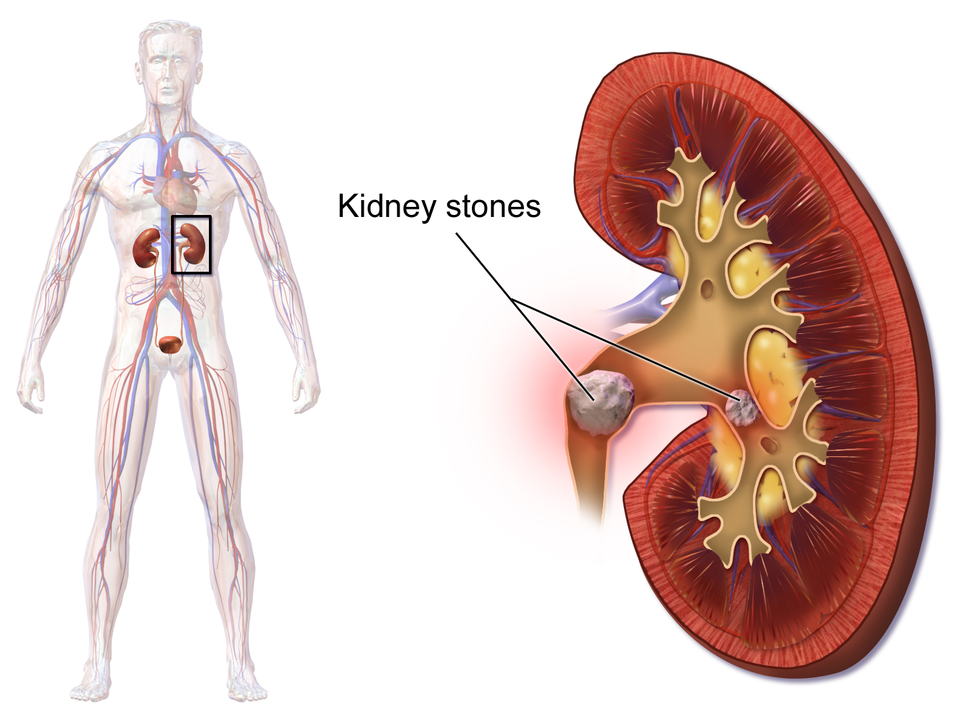
Kidney stones form when minerals and salts crystallize in the kidneys. They can cause intense flank or back pain, nausea, vomiting, and blood in the urine. Urologists treat kidney stones using various techniques such as:

NYC urology centers offer some of the most advanced and minimally invasive stone management technologies available.

Overactive Bladder (OAB)

OAB is characterized by a frequent and urgent need to urinate, often accompanied by incontinence. Urologists in NYC use a range of treatments depending on severity, including:

  • Pelvic floor physical therapy
  • Bladder training and behavioral modification
  • Prescription medications
  • Botox injections and nerve stimulation therapies for refractory cases

Benign Prostatic Hyperplasia (BPH)

This condition, commonly known as an enlarged prostate, affects aging men and can cause lower urinary tract symptoms such as weak stream, incomplete emptying, and frequent nighttime urination. Urologists offer a variety of treatment options including medications, minimally invasive procedures like UroLift, and laser therapies to relieve obstruction.

Hematuria (Blood in Urine)

Hematuria may be caused by infections, stones, tumors, or trauma. It’s crucial to consult a urologist for a thorough evaluation, which may include urine tests, imaging, and cystoscopy. Identifying the underlying cause early is key to effective treatment.

Urinary Incontinence

Incontinence refers to the involuntary leakage of urine. It can result from a range of causes, including muscle weakness, nerve damage, or prostate surgery. Treatment depends on the type (stress, urge, overflow, etc.) and can include:

  • Lifestyle changes and pelvic exercises
  • Medications
  • Urethral slings or artificial urinary sphincters

Bladder Cancer

Bladder cancer is often first detected through symptoms like hematuria. NYC urologists are highly skilled in early cancer detection using cystoscopy, urine cytology, and advanced imaging. Treatment options include surgical removal, intravesical therapies, immunotherapy, and advanced reconstructive techniques for bladder preservation when possible.

Common Urinary Tract Conditions Treated by NYC Urologists: Conclusion

From minor infections to complex surgical conditions, urologists in New York City are equipped with the knowledge and resources to address the full spectrum of urinary tract disorders. If you’re experiencing symptoms such as persistent pelvic pain, blood in urine, or difficulty urinating, it’s important to consult with an experienced specialist.

Specialized Urology Care in Manhattan

At Fifth Avenue Urology, Dr. Yaniv Larish provides expert diagnosis and treatment for all major urinary tract conditions. With advanced tools and minimally invasive techniques, he delivers compassionate, patient-focused care tailored to each individual. Whether you’re dealing with recurrent UTIs, kidney stones, or prostate issues, Dr. Larish and his team are here to help.

FIFTH AVENUE UROLOGY
4 East 76th Street
New York, NY 10021
212-675-3186

What to Expect During a Cystoscopy Procedure

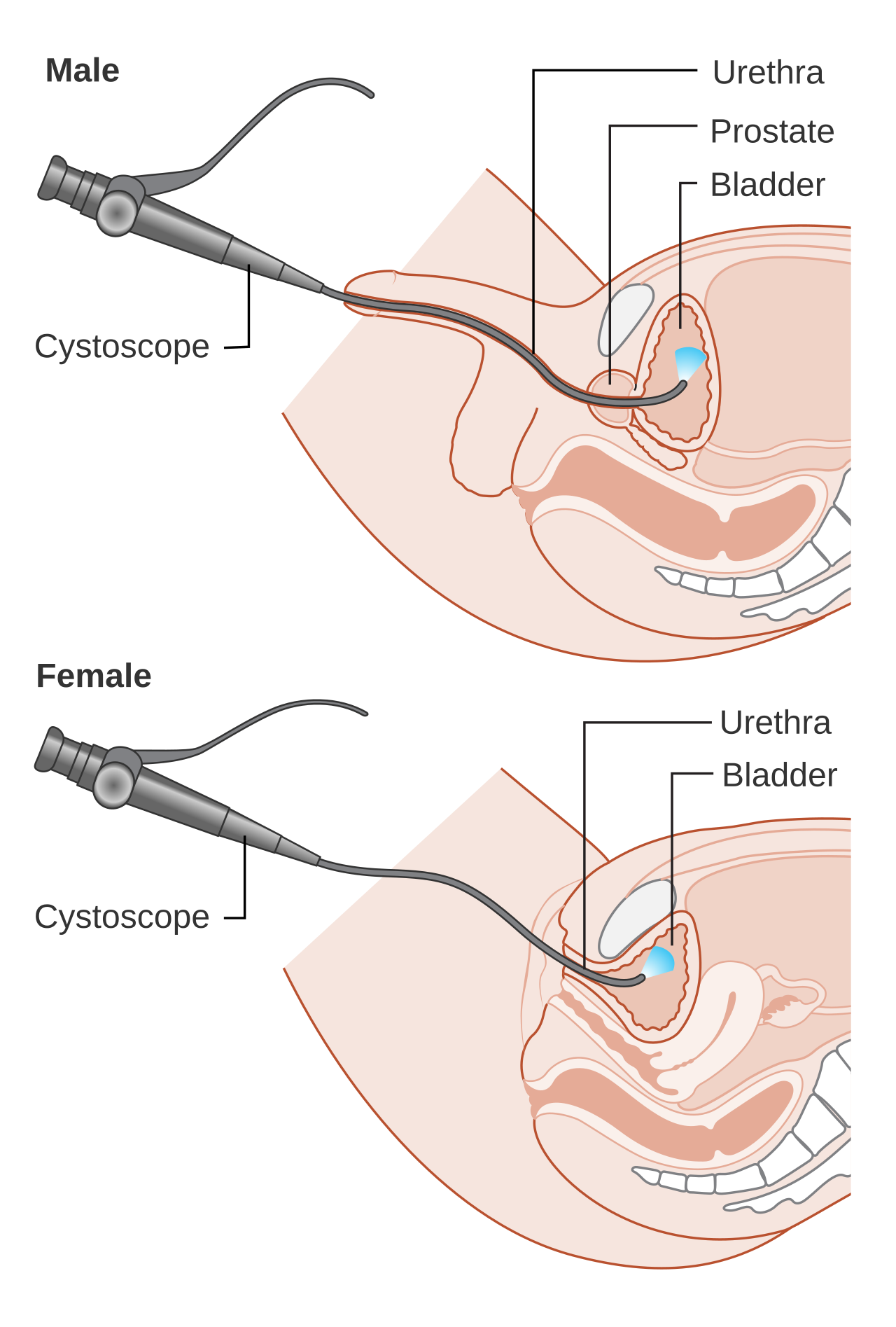
What to Expect During a Cystoscopy Procedure male and female bCystoscopy is a diagnostic procedure used to examine the inside of the bladder and urethra. For patients experiencing urinary issues—such as blood in the urine, frequent urinary tract infections, or unexplained pelvic pain—this test offers a clear and direct view of the urinary tract to help identify potential conditions. Understanding what to expect during a cystoscopy can help ease anxiety and ensure you’re fully prepared for your visit to a urologist in NYC.

What Is a Cystoscopy?

A cystoscopy involves the use of a thin, flexible or rigid tube called a cystoscope. This instrument is equipped with a camera and light, allowing the urologist to visually inspect the lining of the bladder and the urethra. Depending on the reason for the procedure, your doctor may perform a diagnostic cystoscopy or a therapeutic one—used to carry out minor treatments during the examination.

Preparing for the Procedure

Before the cystoscopy, your doctor will review your medical history and any medications you’re taking. In many cases, no major preparation is required, though you may be advised to:

  • Avoid blood thinners or anticoagulants temporarily
  • Empty your bladder before the procedure
  • Take a prescribed antibiotic to prevent infection (if recommended)

In-office cystoscopies are typically done under local anesthesia, while more complex or therapeutic procedures might require sedation or general anesthesia, usually in an outpatient surgical setting.

During the Cystoscopy

The entire process usually takes between 5 and 15 minutes. If a flexible cystoscope is used:

  • You’ll lie on an examination table while a numbing gel is applied to your urethra
  • The scope is gently inserted through the urethra into the bladder
  • Sterile water or saline may be introduced to expand the bladder and improve visibility

The doctor will then examine the bladder lining and urethra for abnormalities, such as inflammation, tumors, stones, or signs of infection. In some cases, tissue samples (biopsies) may be taken for further testing.

After the Procedure

Most patients can resume normal activities the same day, although some mild side effects are common:

  • A burning sensation during urination
  • Blood-tinged urine for a day or two
  • Increased urgency or frequency

Drinking plenty of fluids can help flush the bladder and reduce irritation. Your doctor may recommend taking a mild pain reliever, like acetaminophen, if discomfort persists.

When to Contact Your Doctor

While complications are rare, it’s important to reach out to your urologist if you experience:

  • Fever or chills
  • Severe abdominal or pelvic pain
  • Heavy bleeding
  • Inability to urinate

What to Expect During a Cystoscopy Procedure: Conclusion

A cystoscopy is a safe and effective way to diagnose urinary tract conditions and monitor ongoing urological health. Understanding the procedure, preparation steps, and what to expect afterward can empower you to approach the test with confidence.

Expert Urological Care in NYC

At Fifth Avenue Urology, Dr. Yaniv Larish provides advanced diagnostic procedures—including cystoscopy—with precision, experience, and patient-centered care. Whether you’re dealing with urinary symptoms or need a thorough evaluation, Dr. Larish offers expert insight and cutting-edge technology to deliver clarity and relief. If you’re preparing for your first cystoscopy or want a second opinion, Fifth Avenue Urology is here to help.

FIFTH AVENUE UROLOGY
4 East 76th Street
New York, NY 10021
212-675-3186

Minimally Invasive Treatments for Kidney Stones in NYC

Kidney stones are hard mineral and salt deposits that form inside the kidneys and can cause severe pain, urinary issues, and infection risks if left untreated. In a bustling city like New York, access to advanced and efficient care is crucial. Fortunately, modern urology offers a range of minimally invasive treatments for kidney stones in NYC, helping patients recover quickly with minimal discomfort and downtime.

Minimally Invasive Treatments for Kidney Stones in NYC

When Are Minimally Invasive Treatments Necessary?

While small kidney stones may pass naturally with increased hydration and pain management, larger or obstructive stones often require medical intervention. Minimally invasive procedures are typically recommended when:

  • Stones are too large to pass on their own
  • There is persistent pain or urinary tract obstruction
  • Infection or kidney damage risk is present
  • Stones have recurred despite preventive measures

Types of Minimally Invasive Treatments

NYC urology centers offer state-of-the-art treatment options to effectively break down and remove kidney stones while preserving kidney function and ensuring patient comfort.

1. Extracorporeal Shock Wave Lithotripsy (ESWL)

ESWL is one of the most common non-invasive procedures. It uses high-energy sound waves to break kidney stones into smaller pieces that can be passed naturally through the urine. This is an outpatient procedure requiring no incisions and offers quick recovery.

2. Ureteroscopy with Laser Lithotripsy

This endoscopic technique involves guiding a thin scope through the urethra and bladder into the ureter or kidney. A laser fiber is used to break stones into fragments for removal or natural passage. It is ideal for mid-sized stones and offers high success rates with minimal trauma to surrounding tissues.

3. Percutaneous Nephrolithotomy (PCNL)

PCNL is used for large or complex kidney stones that cannot be treated with ESWL or ureteroscopy. A small incision is made in the back to allow access to the kidney using a nephroscope. Stone fragments are removed directly. Despite being slightly more invasive, it is still far less traumatic than traditional open surgery and allows for quicker recovery.

Advantages of Minimally Invasive Kidney Stone Procedures

  • Reduced pain and scarring
  • Shorter hospital stays and faster return to normal activities
  • Lower risk of complications compared to open surgery
  • High success rates for stone removal

Choosing the Right Urologist in NYC

For New Yorkers seeking the most advanced care, selecting a urologist with expertise in stone disease and minimally invasive techniques is critical. Look for board-certified specialists with access to high-end technology and a strong record of successful procedures.

Minimally Invasive Treatments for Kidney Stones in NYC: Conclusion

Thanks to technological advancements, minimally invasive treatments for kidney stones in NYC offer effective, efficient solutions with significantly less discomfort than traditional surgery. From ESWL to PCNL, patients can benefit from faster recovery times and better outcomes with the right care plan.

Consult with Dr. Yaniv Larish at Fifth Avenue Urology

Dr. Yaniv Larish of Fifth Avenue Urology offers expert diagnosis and treatment for kidney stones using cutting-edge minimally invasive procedures. His personalized approach ensures that each patient receives the most appropriate and effective care — whether it’s laser lithotripsy or PCNL. If you’re struggling with kidney stones in NYC, Dr. Larish provides compassionate, evidence-based treatment to help you return to wellness.

FIFTH AVENUE UROLOGY
Dr. Yaniv Larish
4 East 76th Street
New York, NY 10021
Phone: 212-675-3186
Website: https://www.fifthavenueurology.com/

How to Choose the Best Urologist in Manhattan

How do you go about choosing the best urologist in manhattan? When it comes to sensitive health issues like urinary problems, male reproductive health, prostate conditions, or kidney concerns, choosing the best urologist in Manhattan is essential for proper diagnosis and effective treatment. A highly qualified urologist not only brings medical expertise but also provides compassionate, individualized care that makes a significant difference in a patient’s experience and outcomes.

How to Choose the Best Urologist in Manhattan

Key Factors to Consider When Selecting a Urologist

Finding the best urologist in Manhattan involves more than a quick online search. Here are some essential elements to evaluate:

1. Credentials and Experience

Look for a board-certified urologist who has extensive experience treating the specific condition you are facing. Urologists with fellowship training or subspecialty certifications in areas like male infertility, prostate cancer, or minimally invasive surgery bring an added level of expertise.

2. Reputation and Patient Reviews

Explore verified patient reviews on trusted medical platforms like Healthgrades, Zocdoc, or Vitals. Consistently positive feedback regarding communication, professionalism, and successful outcomes can offer reassurance when narrowing down your choices.

3. Range of Services Offered

Choose a urology practice that offers a comprehensive array of diagnostic tools and treatments. This includes:

  • Advanced imaging (e.g., ultrasound, cystoscopy, CT scans)
  • Minimally invasive and robotic-assisted surgical procedures
  • Medical management for BPH, kidney stones, and erectile dysfunction
  • On-site laboratory and pathology services

Having access to state-of-the-art equipment and a wide spectrum of services ensures you receive streamlined, effective care in one place.

4. Communication Style and Accessibility

A great urologist should be easy to talk to, responsive to your concerns, and willing to explain your diagnosis and treatment options clearly. Also, evaluate the practice’s accessibility — do they offer same-day appointments, virtual consultations, or extended hours?

5. Hospital Affiliations

A reputable urologist is typically affiliated with top-rated hospitals in Manhattan. This can be important for patients needing inpatient procedures or specialized care in a hospital setting.

Red Flags to Watch Out For

  • Vague or inconsistent information about services offered
  • Lack of board certification or specialty training
  • Overly aggressive treatment recommendations without clear explanation
  • Inadequate post-treatment follow-up or patient education

These issues can signal a less-than-ideal patient experience and should be taken into account during your search.

How to Choose the Best Urologist in Manhattan: Conclusion

Choosing the best urologist in Manhattan is a crucial step toward maintaining your urinary and reproductive health. By prioritizing experience, technology, patient reviews, and clear communication, you can make an informed decision that ensures you receive expert, respectful, and personalized care.

Consult with Dr. Yaniv Larish at Fifth Avenue Urology

If you’re seeking a top-tier urologist in NYC, consider scheduling a consultation with Dr. Yaniv Larish at Fifth Avenue Urology. With a reputation for excellence in treating a wide range of urological conditions — from prostate health to male infertility and beyond — Dr. Larish combines expertise with compassionate care. His practice uses advanced diagnostics and the latest treatment techniques to help patients return to full health with confidence.

FIFTH AVENUE UROLOGY
Dr. Yaniv Larish
4 East 76th Street
New York, NY 10021
Phone: 212-675-3186
Website: https://www.fifthavenueurology.com/


Advanced Treatments for Erectile Dysfunction in NYC

What are the current advanced treatments for Erectile Dysfunction in NYC? Erectile dysfunction (ED) is a prevalent condition affecting millions of men, especially those over 40. In a fast-paced city like New York, men often delay addressing ED due to stress, stigma, or lack of awareness of the modern treatments available. Fortunately, advancements in urology… Continue Reading

Prostate Cancer Screening Guidelines for Men Over 50

What are the Prostate Cancer Screening Guidelines? Prostate cancer is one of the most commonly diagnosed cancers among men in the United States, particularly in those over the age of 50. As men age, the likelihood of developing prostate issues—including cancer—increases, making proactive screening an essential part of long-term health. In New York and beyond,… Continue Reading

Understanding BPH (Enlarged Prostate) and Treatment Options in New York

Benign Prostatic Hyperplasia (BPH), commonly referred to as an enlarged prostate, is one of the most frequent urological conditions affecting men, particularly those over the age of 50. The condition involves the non-cancerous enlargement of the prostate gland, which can put pressure on the urethra and affect urinary function. If you’re experiencing symptoms of BPH… Continue Reading

Top Signs You Should See a Urologist in NYC

Understanding When to Consult a Urologist What are the top signs that you should see a urologist in NYC? The urinary tract and male reproductive system are crucial to overall health, yet many individuals put off seeing a urologist until symptoms become severe. In a city as fast-paced as New York, it’s easy to ignore… Continue Reading

How to Prepare for Your First Visit to a Urologist

Your first visit to a urologist, such as Dr. Yaniv Larish at Fifth Avenue Urology in New York City, is an important step toward understanding and managing your urinary or reproductive health. Whether you’re dealing with urinary symptoms, kidney stones, prostate concerns, or male infertility, being well-prepared can help make your appointment more efficient and… Continue Reading

Bladder Cancer Awareness: Symptoms, Risk Factors, and Care

Understanding Bladder Cancer Bladder cancer is one of the most common cancers affecting the urinary system. It typically begins in the urothelial cells lining the bladder and can vary widely in aggressiveness. Early detection and appropriate treatment are crucial for a favorable outcome. At Fifth Avenue Urology in New York City, Dr. Yaniv Larish provides… Continue Reading

Common Causes of Blood in Urine and When to Seek Help

Hematuria, or blood in the urine, can be a startling and concerning symptom for many individuals. While it is not always a sign of a serious condition, it should never be ignored. Recognizing the common causes and knowing when to seek medical evaluation is essential for safeguarding your urinary health. In this blog, we’ll examine… Continue Reading

The Role of Urologists in Managing Male Infertility

Male infertility is a medical condition that affects millions of couples trying to conceive, and the role of a urologist in evaluating and treating it is essential. As specialists in male reproductive health, urologists are trained to diagnose underlying causes of infertility and recommend both medical and surgical treatment options tailored to each patient’s unique… Continue Reading

Erectile Dysfunction: Myths, Facts, and Treatment Options

Erectile dysfunction (ED) is a common condition affecting men of all ages, yet it remains surrounded by misconceptions and stigma. Understanding the truth about erectile dysfunction is essential for effective treatment and improved quality of life. In this blog, we separate fact from fiction and explore the causes, risk factors, and treatment options available to… Continue Reading

How Lifestyle Choices Impact Urological Health

Your daily habits play a critical role in maintaining your urological health. From hydration and nutrition to exercise and stress management, lifestyle choices can either support or compromise the function of the kidneys, bladder, urethra, and male reproductive organs. In this blog, we explore the most influential lifestyle factors and how they can help prevent… Continue Reading

Pelvic Floor Disorders in Women: Causes and Treatments

Pelvic floor disorders (PFDs) in women are a group of conditions that affect the muscles, ligaments, and connective tissues supporting the pelvic organs. These disorders can lead to problems with bladder control, bowel function, and sexual health. While often associated with aging or childbirth, pelvic floor disorders can affect women at any stage of life.… Continue Reading

The Importance of Prostate Health: What Every Man Should Know

This blog explores key facts every man should know about prostate health. The prostate gland plays a vital role in men’s health, particularly in reproductive and urinary function. As men age, the prostate is increasingly prone to conditions such as benign prostatic hyperplasia (BPH), prostatitis, and prostate cancer. Understanding how to maintain prostate health is… Continue Reading

Managing Overactive Bladder: Tips and Treatment Options

What are some good tips and treatment options to manage overactive bladder? Overactive bladder (OAB) is a common urological condition that affects millions of men and women, especially as they age. It involves a frequent and sudden urge to urinate, which can be difficult to control and may lead to unintentional urine leakage. While OAB… Continue Reading

Advanced Treatments for Kidney Stones: What to Expect

This blog explains what you can expect from today’s most advanced kidney stone treatments. Kidney stones are painful, mineral-based deposits that form in the kidneys and can disrupt urinary flow. While many small stones pass naturally, larger or more problematic stones may require advanced treatment. Thanks to modern urology, there are now several highly effective,… Continue Reading

How to Recognize the Symptoms of Urinary Tract Infections

This blog explores how to recognize the symptoms of urinary tract infections to highlight the significance of early diagnosis and treatment for a variety of urological issues. Urological health is an integral part of overall well-being for both men and women. Despite its importance, many people delay seeking treatment due to embarrassment or misconceptions about… Continue Reading

Understanding Common Urological Conditions in Men and Women

This blog explores understanding common urological conditions in men and women to highlight the significance of early diagnosis and treatment for a variety of urological issues. Urological health is an integral part of overall well-being for both men and women. Despite its importance, many people delay seeking treatment due to embarrassment or misconceptions about their… Continue Reading

Stress Urinary Incontinence in Women: Causes, Symptoms, and Treatment Options

Stress urinary incontinence (SUI) is a prevalent condition that affects many women, often leading to involuntary urine leakage during activities that put pressure on the bladder, such as coughing, sneezing, laughing, or exercising. If you’re living with SUI, you understand the impact it can have on your daily life and self-confidence. In this comprehensive guide,… Continue Reading

Urological Health in Aging Men

This blog explores urological health in aging men, including common conditions, symptoms, and available treatments. As men age, they often face various urological health issues that can significantly impact their quality of life. Understanding these conditions and how to manage them is crucial for maintaining overall health and well-being. Common Urological Conditions in Aging Men… Continue Reading

Robotic Surgery in Urology

Robotic surgery has revolutionized the field of urology, offering patients and surgeons numerous advantages over traditional surgical methods. This advanced technology enhances precision, reduces recovery times, and minimizes complications. Here, we explore the role of robotic surgery in urology, its benefits, and the types of procedures commonly performed using robotic assistance. Introduction to Robotic Surgery… Continue Reading

Life After Treatment: Stories of Overcoming Urinary Incontinence

Urinary incontinence is a common condition that affects people of all ages and backgrounds. While the following stories are fictional, they illustrate how individuals with the most common incontinence experiences from various walks of life can triumph over urinary incontinence with the right treatment. Stories of Overcoming Urinary Incontinence Alex’s Journey to Freedom Meet Alex,… Continue Reading

Understanding and Treating Kidney Stones

What are the best methods of treating kidney stones? Kidney stones are hard deposits of minerals and salts that form inside your kidneys. They can cause severe pain and other complications if not treated properly. Understanding the causes, symptoms, and treatment options for kidney stones is crucial for managing this condition effectively. What Are Kidney… Continue Reading

The Importance of Regular Urological Check-Ups

Regular urological check-ups are crucial for maintaining good urological health and early detection of potential issues. These check-ups help identify problems early when they are most treatable and can significantly improve health outcomes. This blog explores the importance of regular urological check-ups, what to expect during these visits, and the benefits of early detection and… Continue Reading